
Introduction
Learning to drive a car is more than a rite of passage—it is an empowering leap into independence, responsibility, and the boundless possibility of the open road. For many, the very thought of their first solo drive conjures both excitement and anticipation. Yet, to drive confidently and safely is not merely about turning a key and operating pedals; it is about absorbing a sophisticated blend of awareness, technique, and discipline. This guide reveals the thoughtful process of learning car driving, blending expert insights, stepping stones, and practical techniques that transcend generic instruction.
The Foundations: Preparing to Drive
Every great journey starts with robust preparation. In car driving, readiness is both mental and procedural.
Understanding Your Motivation
-
Reflect on why you wish to drive: Is it independence, career opportunity, or adventure?
-
Set realistic goals—are you aiming for city commutes, long-distance travel, or mastering manual transmission?
The Legal Pathway
-
Obtain a provisional or learner’s permit as required in your region.
-
Familiarize yourself with the latest local rules, road signs, and legal obligations—an informed driver is a safe driver.
Choosing the Right Vehicle
-
For learners, smaller, less powerful cars tend to offer better handling and visibility.
-
Automatic transmissions can simplify the initial learning curve, while manuals build foundational skills for global driving scenarios.
The Learning Environment: Setting the Stage
Where and how you begin can have a profound effect on your growth as a driver.
Selecting a Quality Instructor
-
Opt for instructors certified by recognized driving authorities—experience, patience, and strong communication matter immensely.
-
Consider dual-control vehicles in early sessions for added safety and peace of mind.
Familiar Practice Grounds
-
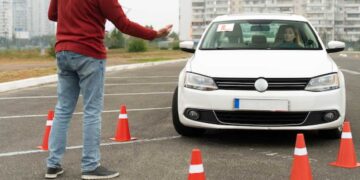
Start in calm, open spaces—empty parking lots, quiet suburbs, or designated driving schools.
-
Progress to busier roads only as confidence and skill build naturally.
Core Techniques: Building Blocks of Competence
Learning to drive requires mastering a progression of interlinked skills, each pivotal to confident motoring.
Getting Acquainted with the Vehicle
-
Adjust seat and mirrors for optimal visibility and comfort.
-
Learn the functions and locations of controls: indicators, lights, wipers, and emergency brake.
-
Understand dashboard warning icons and basic maintenance checks.
Essential Maneuvering
-
Starting and Stopping: Gentle acceleration and smooth braking instill early confidence.
-
Steering Control: Practice gentle, steady movements—shuffle steering provides ergonomic precision.
-
Turning and Lane Discipline: Coordinate indicator use with head checks and smooth, deliberate movement between lanes or around corners.
-
Parking Techniques: Begin with head-in parking, progress to parallel and reverse maneuvers; these foster spatial awareness and control.
Mastering Traffic Interactions
-
Yielding, right-of-way decisions, and safely merging onto busy roads are vital milestones.
-
Develop “defensive driving” instincts: anticipate the actions of others, maintain safe distances, and scan the road ahead.
-
Practice calm responses to the unexpected such as sudden stops, erratic drivers, or changing weather.
Beyond Mechanics: Cultivating the Driving Mindset
True mastery extends beyond physical skills; it involves cultivating poise, patience, and prudent self-awareness.
Managing Anxiety and Building Confidence
-
Recognize nerves are normal—begin with short sessions and expand duration as comfort increases.
-
Practise breathing techniques to stay calm, particularly in challenging situations or traffic.
Fostering Responsibility
-
Acknowledge that driving is a privilege with real consequences—always prioritize safety and compliance.
-
Remain sober and free of distractions; mobile devices and multitasking undermine judgement.
Adapting to Road Realities
-
Vary practice by driving at different times of day and in fluctuating weather; real-world exposure is the best teacher.
-
Learn to share the road with pedestrians, cyclists, buses, and large vehicles. Respect is fundamental.
Embracing the Learning Curve: Handling Setbacks
Mistakes are not failures but stepping stones toward proficiency.
Facing Common Challenges
-
Stall in a manual? Take a breath, restart, and refocus; every driver has been there.
-
Nervous in heavy traffic? Pull over safely, regroup, and try again when ready.
-
Difficulties with parallel parking? Practice systematically in low-pressure environments until muscle memory develops.
Seeking Feedback
-
Welcome constructive criticism from instructors and trusted passengers.
-
Record driving sessions (if possible) to review performance and self-correct patterns.
The Final Stretch: Preparing for the Driving Test
Earning a license marks only the beginning. Aim for competence over mere test-passing.
Mock Tests and Practice Routes
-
Simulate real test conditions—include hill starts, emergency stops, and independent navigation.
-
Practice routes similar to those used in local examinations to banish surprises.
Test Day Readiness
-
Ensure you are well-rested, calm, and have all necessary documentation prepared.
-
Treat the test not as a hurdle, but as recognition of your readiness to drive solo.
Lifelong Learning: Staying Sharp Beyond the Licence
Learning does not end upon licensure; the best drivers remain perpetual students.
-
Revisit driving guides and safety material periodically.
-
Take advanced driving or defensive driving courses to enhance skill sets.
-
Keep abreast of technological changes, such as new safety features or traffic rules.
Conclusion
Learning to drive is an intricate dance of coordination, awareness, and responsibility. It demands more than technical proficiency; it rewards curiosity, humility, and a steady, growth-oriented mindset. Each lesson, each mile, molds not just a competent driver, but a thoughtful participant in the shared adventure of the open road. Embrace the journey, cherish the growth, and let driving become both a freedom and a finely honed craft.