
Introduction
The craft of driving has become synonymous with autonomy, confidence, and social participation in the modern world. To learn car driving is not simply a rite of passage, but an initiation into a more expansive existence—one where every journey is a personal undertaking and every road, a test of skill and judgement. This article aims to illuminate the pathway from novice curiosity to genuine driving mastery, blending practical progression with the refined mindset of a conscientious, aware driver.
Setting Intentions: Laying a Solid Foundation
True learning begins with intention. Before ever gripping the wheel, aspiring drivers should accept that the process is as much about mental readiness as mechanical competence.
Clarifying Purpose
-
Define your motivation—be it daily independence, family responsibility, or professional growth.
-
Identify anticipated driving environments: city congestion, rural stretches, cross-country highways.
Legal and Administrative Preparation
-
Obtain a learner’s permit by understanding and meeting all regional requirements.
-
Study local road laws, signage, and the responsibilities that accompany a license.
Choosing an Appropriate Practice Car
-
For ease of learning, opt for a vehicle with good visibility, uncomplicated controls, and high safety features.
-
Decide between manual and automatic transmissions based on necessity and long-term plans.
The Vital Role of Guidance: Instructor and Support System
The right mentor can profoundly shape the learning process.
Instructor Selection
-
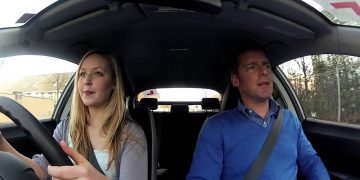
Seek out certified, patient, and technically skilled instructors with a proven teaching record.
-
If possible, leverage family members or friends for additional, supervised practice—consistency and safety are paramount.
Structured Practice Environments
-
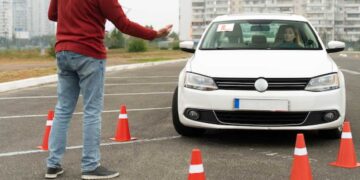
Start in empty lots or quiet streets to familiarize yourself with the car.
-
Gradually introduce more complex scenarios—rush-hour traffic, night driving, and diverse weather—as skills mature.
The Mechanics of Mastery: Building Fundamental Skills
Car driving mastery is achieved through incremental skill development and disciplined repetition.
Vehicle Orientation
-
Adjust seating, mirrors, and steering wheel to suit your body dimensions.
-
Familiarize yourself with dashboard indicators, controls, and safety devices.
Basic Skills Progression
-
Starting and Stopping: Smooth control develops trust in the car and in oneself.
-
Steering Techniques: Practice standard grip, push-pull or hand-over-hand, keeping responses measured and relaxed.
-
Changing Gears (Manual): Coordinate clutch and gear transitions, mastering the art of gentle acceleration.
Essential On-Road Maneuvers
-
Turning & Lane Changes: Use turn signals, check mirrors and blind spots, and move decisively yet smoothly.
-
Parking: Begin with simple spaces, then advance to parallel and reverse parking under supervision.
-
Merging & Roundabouts: Develop spatial awareness and the ability to anticipate traffic flow.
Developing the Right Mindset: Staying Calm and Alert
Skillful driving extends beyond hands and feet. The attentive mind is the secret weapon of every accomplished driver.
Defensive Driving Attitude
-
Adopt an anticipatory approach—predict possible dangers rather than merely reacting.
-
Maintain generous following distances and always prepare for the unexpected behavior of others.
Coping with Nerves
-
Accept initial anxiety as a natural step; practice regular deep breathing to stay calm.
-
Break lessons into manageable segments, focusing on one new skill at a time.
Practicing Adaptive Flexibility
-
Alternate practice between day and night, dry and wet roads, to develop instinctive adaptation.
-
Continue learning even after setbacks; mistakes are invaluable lessons no textbook can supply.
Navigating the Test Preparation Phase
A driving test is a formal recognition of competence, not merely a hurdle to cross.
Structured Mock Tests
-
Simulate real exam conditions with your instructor, practicing all core competencies: emergency stops, hill starts, independent navigation.
-
Familiarize yourself with test routes as much as possible for confidence on examination day.
Psychological Readiness
-
Sleep well the night before and arrive early for your test appointment.
-
Treat the driving test as an honest measure of readiness, not as an ultimatum.
Beyond the First License: Commitment to Lifelong Mastery
Securing a driving license marks only the beginning.
Continual Self-Assessment
-
Regularly revisit driving best practices, updates to rules, and vehicle safety technologies.
-
Consider enrolling in defensive or advanced driving courses to strengthen hazard perception and risk management.
Embracing Technology
-
Stay informed about driver-assistance systems, new safety features, and the increasing role of automation.
-
Use in-car connectivity tools to improve routes and sharpen navigation skills—a modern driver thinks with both head and handset.
Respect for the Road Community
-
Maintain civility; the best drivers are distinguished by their respect for every user—pedestrians, cyclists, and fellow motorists.
Conclusion
Learning car driving is an intricate tapestry woven from technical ability, calm awareness, and an ever-evolving sense of responsibility. The journey from apprehensive beginner to confident driver is seldom linear, but every mile, every hesitation, and every breakthrough shapes not just road skills but character. As you embark on this pursuit, let discipline, humility, and curiosity be your guides—for driving, in its truest form, is less about reaching a destination than becoming the very best version of yourself on the road.