
Introduction
Across continents and centuries, the story of human progress is, in large part, the story of how we move. Vehicles—those intricate unions of design, technology, and aspiration—are far more than objects that carry us from place to place. They are extensions of ambition, vessels of memory, and harbingers of what the future holds. To reflect upon vehicles is to examine the ever-shifting boundary between necessity and invention, pragmatism and artistry, and ultimately, the shared pulse of a civilization in perpetual motion.
Defining Vehicles: More Than Machines
Though “vehicle” is often synonymous with cars, the term transcends the familiar four-wheelers that crowd city streets. At its core, a vehicle is any apparatus devised to transport people or goods—a definition that encompasses everything from timeless carriages to state-of-the-art hyperloops.
The Spectrum of Vehicles
-
Land: Bicycles, motorcycles, automobiles, buses, trains, trucks, and trams.
-
Water: Boats, ferries, ships, and submarines.
-
Air: Airplanes, helicopters, drones, and hot air balloons.
-
Space: Rockets, space shuttles, and planetary rovers.
Each form is a testament to creative ingenuity, shaped by the demands of era, environment, and aspiration.
The Evolutionary Journey: From Horse to Hydrogen
The earliest vehicles were built to conquer geography—a chariot racing across a battlefield, a galleon charting unknown seas, a steam engine spanning continents. Today’s world presents new challenges: congestion, pollution, resource scarcity, and the longing for speed blended with sustainability.
Milestones in Vehicle Evolution
-
Pre-Industrial: Animal-drawn carts and simple boats opened trade routes and bound societies closer together.
-
Industrial Age: Steam and combustion engines revolutionized transport, shrinking the world and rewiring economies.
-
Twentieth Century: Cars became status symbols; mass transit fueled urbanization; air travel erased vast distances.
-
Present Day: Electric vehicles, autonomous technology, and renewable fuels redefine the possibilities and responsibilities of motion.
Vehicles as Mirrors of Society
Beyond their mechanics, vehicles capture the spirit of the eras they inhabit. In the optimism of the space race, rocket launches symbolized hope and boundless curiosity. In bustling cities, the prevalence of subways and ride-shares signals shifting priorities toward convenience and collective impact.
Cultural Resonance
-
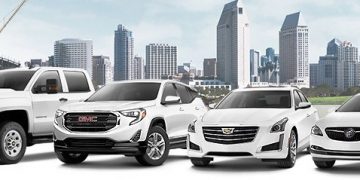
Cars and Identity: From the rumble of a classic muscle car to the quiet confidence of a luxury sedan, vehicles become emblems of status, taste, and freedom.
-
Buses and Bicycles: Symbols of community and environmental consciousness, redefining how urbanites connect with their surroundings.
-
Ships and Airliners: Networks that forge global ties, enabling commerce and cultural exchange at an unprecedented scale.
Innovation on Wheels (and Beyond)
Technological advances are transforming vehicles faster than at any time in history.
The Key Frontiers
-
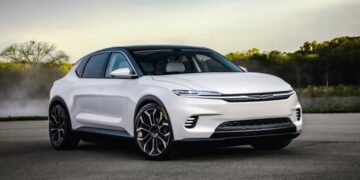
Electrification: Electric vehicles offer a quieter, cleaner alternative to their combustion counterparts, with advancements in charging infrastructure bridging gaps in convenience and range.
-
Autonomy: Self-driving systems promise to reshape not only how we commute but also how cities are designed and time is valued.
-
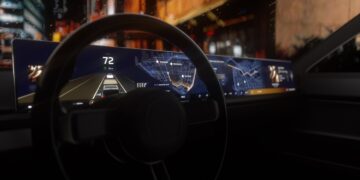
Connectivity: Vehicles now act as digital hubs, integrating navigation, entertainment, diagnostics, and real-time updates through sleek interfaces.
-
Sustainable Materials: Lightweight composites, recycled interiors, and bio-based components signal a shift toward responsible manufacturing.
The Human Element: Safety, Accessibility, and Joy
Modern vehicles are designed not just for movement, but for the holistic experience of those who occupy them.
Driving Well-being and Inclusion
-
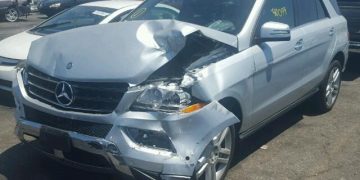
Safety as Standard: Innovations like collision avoidance, lane assist, and adaptive cruise control render travel markedly safer than in previous generations.
-
Universal Design: Ramps, adaptable controls, and ride-hailing services have opened doors for individuals once excluded by traditional transport.
-
Joy and Exploration: Vehicles remain, at heart, keys to treasured adventures—road trips, impromptu journeys, and quiet drives through open country.
The Road Ahead: Predicting the Next Turn
As the world faces climate imperatives, population pressures, and the transformative power of artificial intelligence, the future of vehicles prompts both excitement and reflection.
Emerging Themes
-
Shared Mobility: Car-sharing, micromobility, and integrated public transit envision cities with fewer vehicles but greater access.
-
Zero-Emission Goals: Hydrogen fuel cells, synthetic fuels, and advanced batteries chart a course for net-zero transportation.
-
Intermodality: Smart systems that seamlessly blend modes—train to bike to car—promise to make personal journeys smoother and greener.
Conclusion
To contemplate vehicles is to chart a journey through history, society, and imagination—the rolling narrative of how we shape and are shaped by the roads, waves, skies, and stars. Each new invention bears the weight of what came before, but also the hopes of what lies ahead. Whether stepping aboard a bullet train or easing onto a country lane, we find ourselves forever in motion, forever redefining what it means to move, to belong, and to dream.