
Introduction
Throughout history, vehicles have been the silent architects of civilization’s grandest transformations. The word conjures images both practical and poetic—locomotives threading distant towns, ships diving into uncharted waters, and cars spinning tales of freedom on winding open roads. Vehicles are not merely tools of transit; they are dynamic portals connecting aspiration, identity, and the relentless human urge to move forward.
The Multitude of Vehicles: From Simplicity to Sophistication
A vehicle, at its essence, is an ingenious response to the age-old desire to transcend physical limits. Their forms are as varied as the challenges they solve.
The Expansive Definition
-
Land Vehicles: Bicycles, motorcycles, passenger cars, trains, buses, and trucks—each solving unique terrain or societal needs.
-
Watercraft: Elegant sailboats, sturdy cargo ships, agile ferries, and submarines, opening worlds beneath and beyond the shoreline.
-
Aircraft: From hot air balloons and nimble helicopters to supersonic jets and unmanned drones, defying gravity and compressing global distances.
-
Spacecraft: Rockets, shuttles, and probes, extending our reach to planets and the infinite beyond.
This diversity of vehicles reflects the creative breadth and restless curiosity that define our species.
The Evolutionary Timeline: Milestones on Wheels, Waves, and Wings
No artifact is so entwined with progress as the vehicle. Each era’s signature mode of transport mirrors its ambitions and anxieties.
Ancient to Early Modern
-
Simple Carts and Canoes: Harnessing animal strength and wood, distant cultures advanced trade and connection.
-
Chariots, Caravels, and Carriages: Propelled empire building and exploration.
The Industrial Age
-
Steam Revolution: Trains and ships shattered previous limits; towns became cities, continents became neighbors.
-
Internal Combustion: Cars democratized travel, altering landscapes and lifestyles.
The Twentieth Century
-
Mass Transit and Commercial Flight: The bus, metro, and jet redefined daily rhythms and fostered global community.
-
Space Race: Vehicles reached for the stars, becoming symbols of possibility itself.
Today and Beyond
-
Electric and Alternative-Fuel Vehicles: Respond to ecological urgency, blending efficiency with innovation.
-
Autonomous and Connected Mobility: Redefine what it means to “drive,” with artificial intelligence steering the way.
-
Hybrid Modalities: Hyperloops, maglevs, flying taxis—fresh frontiers where imagination leads engineering.
Vehicles as Cultural Mirrors
The vehicles we choose speak volumes about how societies understand themselves. Their roles extend beyond transportation to touch upon deeper realms of meaning.
Embodying Identity
-
The Family Car: Seen as an extension of the home, its style and features shaped by generational values.
-
The Public Bus or Train: Collective mobility, fostering shared experiences and inclusivity.
-
Personal Motorcycles and Sports Cars: Manifest freedom, individuality, and even rebellion.
Shaping Environment and Community
-
Cities designed for cars yield sprawling suburbs; those investing in trams and cycle paths foster dense, lively urban spaces.
-
The rise of ride-sharing apps tilts focus toward access over ownership, redrawing the vehicle’s place in daily life.
The Technological Renaissance: Engineering for Safety, Comfort, and Vision
Rapid innovation has transformed vehicles from simple carriages to intricate hubs of digital sophistication and ecological stewardship.
Frontiers of Advancement
-
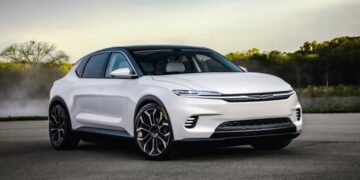
Electrification: Quiet, clean, and increasingly affordable, electric vehicles stand at the vanguard of sustainable policy and progress.
-
Autonomy and AI: Self-driving vehicles promise new safety paradigms and expanded mobility for the elderly and disabled.
-
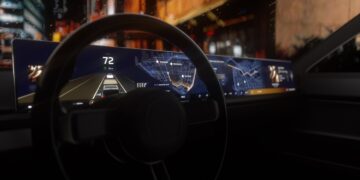
Smart Connectivity: Onboard infotainment blends navigation, work, and leisure, turning travel time into quality time.
-
Lightweight Materials and Aerodynamics: Reduce fuel consumption and environmental impact without compromising safety or comfort.
Vehicles of Tomorrow: Trends and Predictions
The landscape of vehicles adapts continually in response to changing needs and vision.
What Lies Ahead
-
Shared and Subscription Mobility: Rising urban density and a younger generation less attached to ownership accelerate car-sharing and digital subscription models.
-
Integration of Green Infrastructure: Renewable energy charging stations, smart grids, and recycled material manufacturing.
-
Personal Air Vehicles: Advances in propulsion and traffic management may soon make personal drones or flying cars tangible reality.
Choosing and Caring for Vehicles: A Guide for the Modern Individual
Navigating the evolving vehicle marketplace requires a blend of practical acuity and future-mindedness.
Key Considerations
-
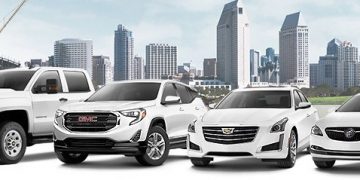
Purpose and Lifestyle: Select vehicles aligning with daily routines—compact for city life, robust for varied terrain, hybrid for efficiency.
-
Sustainability: Factor in emissions, resource use, and end-of-life recyclability.
-
Technological Integration: Evaluate safety systems, connectivity options, and adaptability for upcoming trends.
-
Resale and Longevity: Opt for brands and models with strong records of reliability and retained value.
Maintaining Value
-
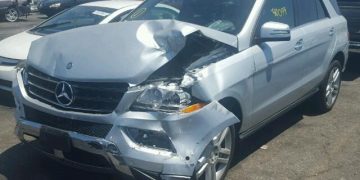
Stay attentive to regular servicing, tire health, and timely insurance updates.
-
Embrace emerging technologies with caution—balance early adoption with proven benefits.
-
Personalize thoughtfully, ensuring modifications add both utility and enjoyment.
Conclusion
Vehicles are the wheels on which dreams travel and destinies converge. They bind geography, bridge cultures, and animate everyday possibility. As we look to the horizon, the story of vehicles remains one of inventive spirit, communal progress, and the quiet poetry of the road, the river, or the cloud-specked sky. To move is to live, and through each thoughtfully chosen vehicle, we craft not just journeys but the lasting narrative of our times.