
Introduction
Mastery behind the wheel stands as a defining skill in the modern journey of independence. For novices, learning to drive a car can feel both exhilarating and daunting—a delicate ballet of nerves, reflexes, and newfound responsibility. In the contemporary context, driving extends beyond mechanical operation; it is an act rooted in self-awareness, continuous learning, and social regard. This article provides a thoughtfully structured pathway to becoming a genuinely skillful driver, combining practical lessons and the psychological growth essential for true confidence on the road.
Laying the Groundwork: The Prerequisites of Learning
Before engaging with pedals and steering wheels, one’s foundation should be rooted in preparation and clarity.
Defining Your Motivation
-
Identify if your goal is daily independence, long-distance travel, or the pursuit of professional opportunities.
-
Being clear about your purpose will influence the pace, vehicle type, and course structure that suit your aspirations.
Legal and Logistical Basics
-
Secure the appropriate learner’s permit and thoroughly study local traffic laws and signage.
-
Understand the distinction between automatic and manual vehicles—choose accordingly for your practice phase and future needs.
A Mindset for Success
-
Cultivate patience, open-mindedness, and a willingness to learn from every mistake.
-
Approach the journey as a gradual evolution, valuing steady progress over perfection.
The Learning Environment: Crafting Safe Beginnings
A supportive, structured setting makes all the difference in early driving experience.
Selecting the Right Instructor
-
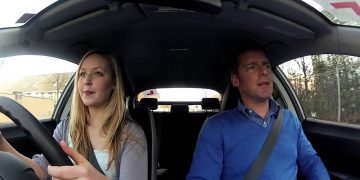
Opt for a certified teacher known for patience and clear instruction.
-
Dual-control cars add an extra layer of safety during nerve-racking first sessions.
Choosing Practice Venues
-
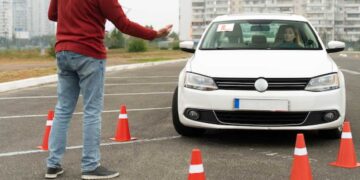
Begin in open, traffic-free spaces such as empty parking lots or designated training grounds.
-
Progress to quiet residential streets, then busier avenues as confidence grows.
Practicing with Purpose
-
Dedicate short, regular sessions to avoid fatigue and optimize retention.
-
Maintain a learning log to note challenges, breakthroughs, and topics requiring review.
Mastering the Mechanics: Step-by-Step Progression
Understanding the fundamentals lays the groundwork for nuanced skills later.
Initial Familiarization
-
Adjust your seat and mirrors for maximum comfort and visibility.
-
Locate and understand all essential controls: blinkers, lights, wipers, emergency brake, and dashboard alerts.
Core Movements
-
Starting and Stopping: Develop feather-light pedal control for smooth acceleration and braking.
-
Steering: Master both hands-on-the-wheel discipline and the shuffle or push-pull technique for turning.
-
Shifting Gears (Manual): Coordinate clutch and gear lever for effortless transitions; practice finding the biting point.
Navigating Basic Scenarios
-
Turning and Lane Selection: Signal early, check mirrors frequently, and turn with measured confidence.
-
Parking: Begin with head-in and reverse parking, then progress to parallel and bay parking as spatial awareness develops.
-
Urban Maneuvers: Learn to navigate roundabouts, intersections, and merge onto busier roads calmly.
Developing the Driver’s Mindset: Beyond Physical Skills
Safe driving is, at heart, a mental discipline governed by awareness and emotional self-control.
Defensive Driving Essentials
-
Constantly scan your environment—anticipate possible hazards, not just the actions of the car ahead.
-
Maintain generous following distances and respect right-of-way conventions.
-
Avoid distractions: keep mobile devices out of reach, adjust mirrors and music before moving off.
Managing Nerves
-
Breathe deeply and consciously during stressful moments; anxiety is natural and diminishes with experience.
-
Break complex scenarios into manageable steps—focus on one skill at a time.
Adapting to Variable Conditions
-
Practice driving during daylight, dusk, rain, and, if possible, light nighttime traffic to build all-weather confidence.
-
Experience different road types: highways, rural lanes, and urban streets each demand unique techniques.
Embracing Challenges: Learning from Setbacks
Mistakes are an inevitable part of learning but also the fastest route to growth.
-
Replay difficult scenarios in your mind or with your instructor—visualization sharpens future performance.
-
Regularly seek feedback, incorporating it without defensiveness or discouragement.
-
Reframe errors as valuable teaching moments that shape you into a more attentive, adaptable driver.
The Finishing Touches: Preparation for the Road Test
Earning your driver’s license is a milestone marking competence, not just the end of lessons.
Mock Test Strategy
-
Simulate the full driving test with your instructor, covering emergency stops, independent navigation, and ‘show me, tell me’ car maintenance questions.
-
Drive varied routes to familiarize yourself with differing speed limits, traffic patterns, and common test pitfalls.
Day-of-Test Readiness
-
Prepare all required documents and ensure the test vehicle meets regulations (lights, tires, mirrors in working order).
-
Ensure you are well-rested and allow time for calm, deep breathing before starting.
Lifelong Learning: The Road Ahead
Great drivers never stop improving—continued education and mindful practice are the keys to mastering car driving long after the license is secured.
-
Review the latest updates to traffic laws and vehicle technologies as they emerge.
-
Consider advanced driving, hazard perception, or winter skill courses to expand competence and confidence.
-
Remain humble: each drive is an opportunity to hone judgement, patience, and respect for others sharing the road.
Conclusion
Learning to drive a car is a delicate interweaving of technique, judgement, and constant adaptation. It invites us to balance boldness with caution, autonomy with social responsibility, and ambition with humility. Approach each lesson not merely as a technical drill but as a step toward thoughtful mastery, transforming both your capability and character as you glide from novice to accomplished driver. The road, with all its challenges and triumphs, becomes a lifelong classroom—one navigated best with poise, curiosity, and an ever-curious mind.